Young Leaders Programme 2026: Fostering Dialogue and Cooperation in the South China Sea
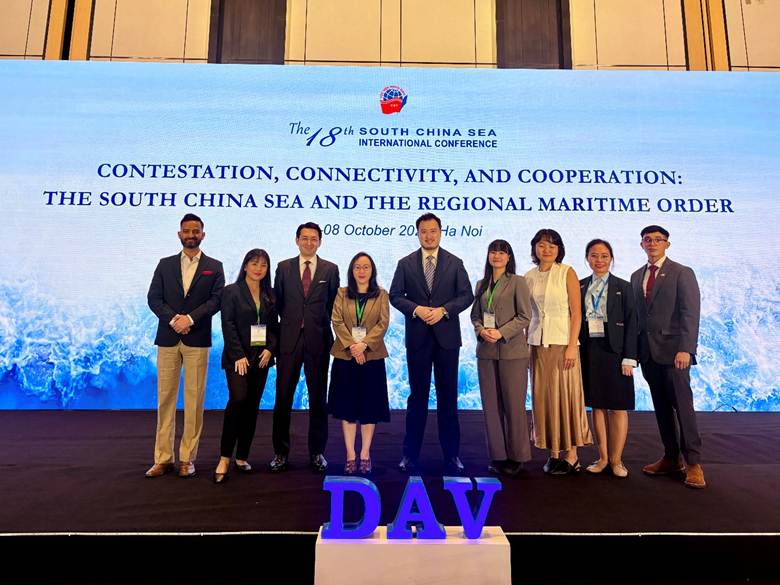
Held as part of the 18th International Conference on the South China Sea, the Young Leaders Programme (YLP) provided a platform for emerging researchers and young professionals to exchange perspectives and develop practical initiatives aimed at promoting cooperation in the South China Sea.
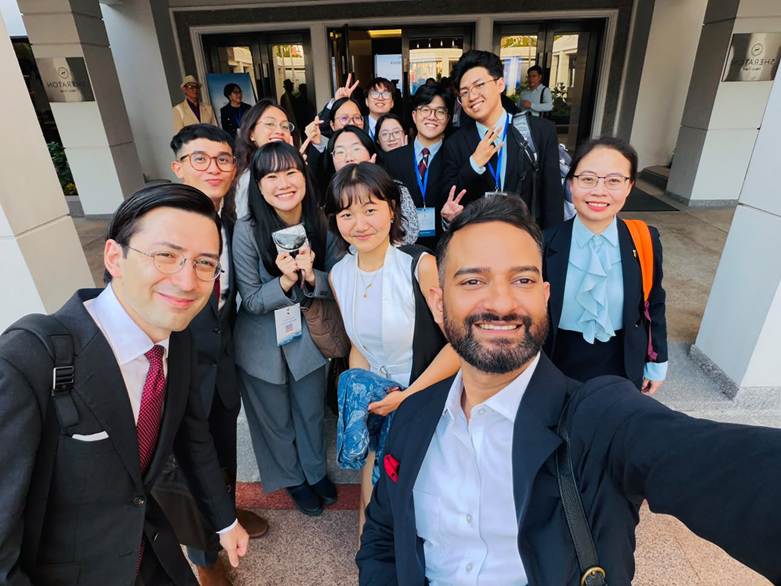
Taking place in Hanoi from 5 to 8 October, this year’s programme brought together eight young delegates from Viet Nam, Singapore, Thailand, the Philippines, Indonesia, Japan, India, and the United States, representing diverse professional backgrounds, including academic research, journalism, and public policy.
Joining them were eight outstanding students from the Diplomatic Academy of Viet Nam (DAV), selected as DAV Captains and participate in the programme’s academic exchanges and collaborative activities.
Bridging Academic Exchange and Policy Practice
A key feature of this year’s programme was its greater emphasis on teamwork and policy development, encouraging participants to translate academic insights into feasible proposals for regional cooperation.
On 6 October, delegates attended expert-led discussions on international law, political developments, and security challenges in the South China Sea. They subsequently took part in the Policy Lab, where the eight international delegates and eight DAV students formed four teams to jointly develop proposals addressing specific areas of maritime cooperation.
Each team was tasked with identifying a clearly defined problem, developing potential solutions, assessing implementation requirements, and considering possible risks. Their initial proposals were reviewed by experts, whose feedback helped participants refine their ideas while strengthening their analytical and policy formulation skills.
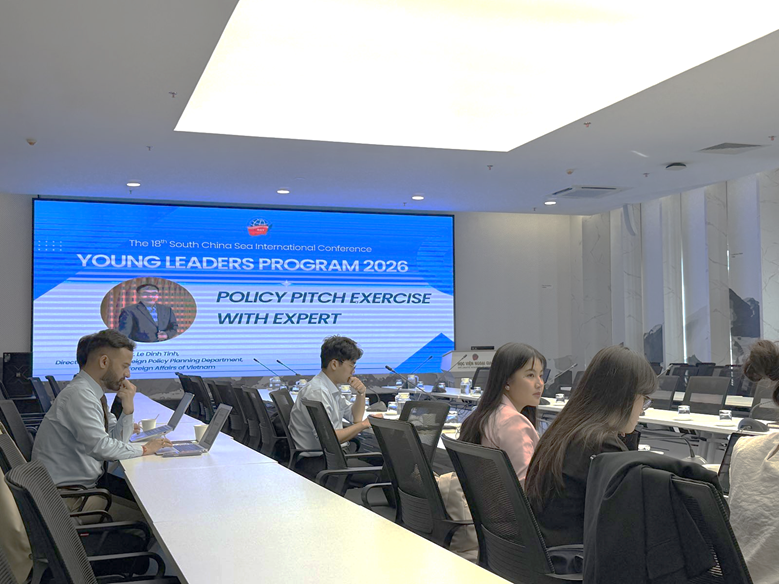
The same day, the Intergenerational Dialogue offered young delegates and DAV students an opportunity to engage directly with experienced diplomats and security professionals. Discussions explored career pathways in diplomacy and security, professional development, and the responsibilities of young professionals in contributing to their communities and society.
On 7 and 8 October, delegates also attended the main conference sessions, engaging with discussions on developments in the South China Sea, international law, maritime security, and regional cooperation. Insights gained from these exchanges informed further revisions to their policy proposals.
Four Policy Proposals from the Next Generation
The highlight of the programme was the Young Leaders’ Policy Pitch session on the afternoon of 8 October, held as part of the 18th International Conference on the South China Sea. The four teams presented proposals focusing on marine environmental protection; combating illegal, unreported and unregulated (IUU) fishing; reducing risks associated with coercive activities at sea; and strengthening maritime search and rescue cooperation. Collectively, the proposals sought to identify areas of shared interest and practical measures that could be pursued incrementally, even amid continuing differences in regional perspectives and interests.
On marine environmental protection, participants highlighted the need for closer coordination in addressing environmental degradation. To combat IUU fishing, one team proposed mechanisms for joint verification and information-sharing on vessels suspected of violations, complemented by port-based enforcement measures consistent with national laws. Another team put forward measures to mitigate risks arising from coercive activities at sea. On maritime search and rescue, participants recommended combining research into legal and procedural obstacles with practical capacity-building efforts to address weaknesses in coordination and emergency response.
Building Networks for Long-Term Cooperation
Beyond its substantive discussions, the Young Leaders Programme provided opportunities for participants to establish and strengthen professional relationships with peers sharing an interest in international affairs, as well as with the wider network of scholars and experts attending the conference.
Against the backdrop of a complex and evolving regional environment, sustaining channels of dialogue, fostering mutual understanding, and building trust among the next generation of experts remain important to the long-term prospects for cooperation in the South China Sea.
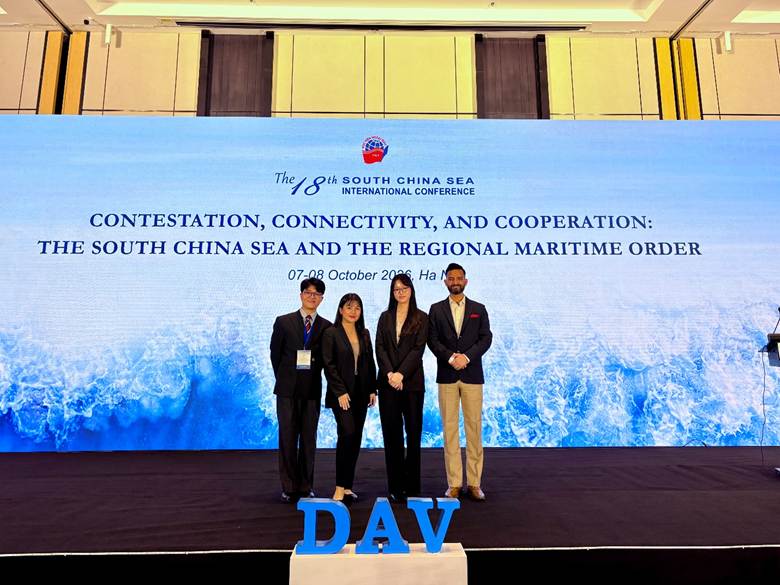
By bringing together academic exchange, intergenerational dialogue, and practical policy development, the Young Leaders Programme 2026 reaffirmed the Diplomatic Academy of Viet Nam’s commitment to nurturing the next generation of professionals, strengthening international networks, and encouraging constructive contributions to peace, stability, cooperation, and sustainable development in the South China Sea.